Indoor Cat Stimulation: Signs of Boredom & Easy Fixes
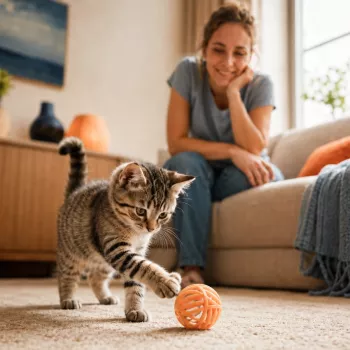
Do indoor cats get enough stimulation?
Indoor cats can get enough stimulation, but it rarely happens by accident. Outside, a cat’s day is naturally filled with movement, novel smells, shifting sounds, and choices. Indoors, the environment is safer and more predictable—which means mental and physical enrichment has to be provided on purpose. The good news: with a few consistent habits and the right setup, many indoor cats can be just as engaged and content as outdoor cats.
What “enough” stimulation looks like for an indoor cat
A stimulated cat shows healthy curiosity and has outlets for hunting instincts, climbing, scratching, and problem-solving. Signs you’re meeting that need include relaxed body language, regular play interest, normal appetite, and good sleep patterns. When stimulation is lacking, common red flags are nighttime zoomies, excessive vocalizing, destructive scratching, over-grooming, or attention-seeking that escalates into nipping.
Why indoor cats often get bored
Even loving homes can be “flat” from a cat’s perspective. If the view never changes, toys are always available (and therefore less exciting), and there’s limited vertical space, a cat may stop initiating activity. Solo cats are also more prone to understimulation when their humans are busy or away for long stretches.
Simple ways to boost indoor stimulation
Build a daily play routine
Two short interactive play sessions (5–15 minutes each) usually outperform leaving a pile of toys on the floor. Wand toys, chase games, and short sprints help satisfy the hunt-catch “sequence.” End with a small treat or meal to mimic the natural “hunt then eat” rhythm.
Add vertical territory and “jobs”
Cat trees, wall shelves, and window perches add variety without needing more floor space. Rotate puzzle feeders, hide small treats, and offer scratchers in more than one area so your cat has choices throughout the day.
Rotate enrichment to keep it novel
Swap toy sets weekly, move a bed to a new window, or introduce safe new textures (paper bags without handles, cardboard boxes). Small changes add meaningful novelty for cats.
For more ideas and product-friendly solutions, see the full guide here: Do indoor cats get enough stimulation?.
FAQ
How can I tell if my cat is bored indoors?
Common signs include increased nighttime activity, destructive scratching, frequent begging for attention, or repetitive behaviors like over-grooming. A bored cat may also ignore toys quickly unless you actively engage.











Leave a comment